The Singapore Sling is one of the world’s most recognizable tropical cocktails: tall, jewel-toned, fruity, refreshing, and more complex than its appearance suggests. Gin provides the backbone, while pineapple, citrus, cherry, herbal liqueurs, bitters, and a touch of sweetness create its layered character. It is an excellent choice when you want something festive and approachable, but not simply a glass of juice with alcohol.
Because recipes vary from bar to bar, the drink does not have one universally agreed formula. That flexibility is part of its appeal. This guide explains the cocktail’s background, a balanced home recipe, the role of each ingredient, and practical ways to adjust it without losing its distinctive personality.
What is a Singapore Sling?
A Singapore Sling is a long gin-based cocktail traditionally associated with Singapore’s Raffles Hotel and its Long Bar. Its exact early recipe is debated, and modern versions often differ in both ingredients and proportions. Some are bright and pineapple-heavy, while others are more spirit-forward, tart, herbal, or bittersweet.
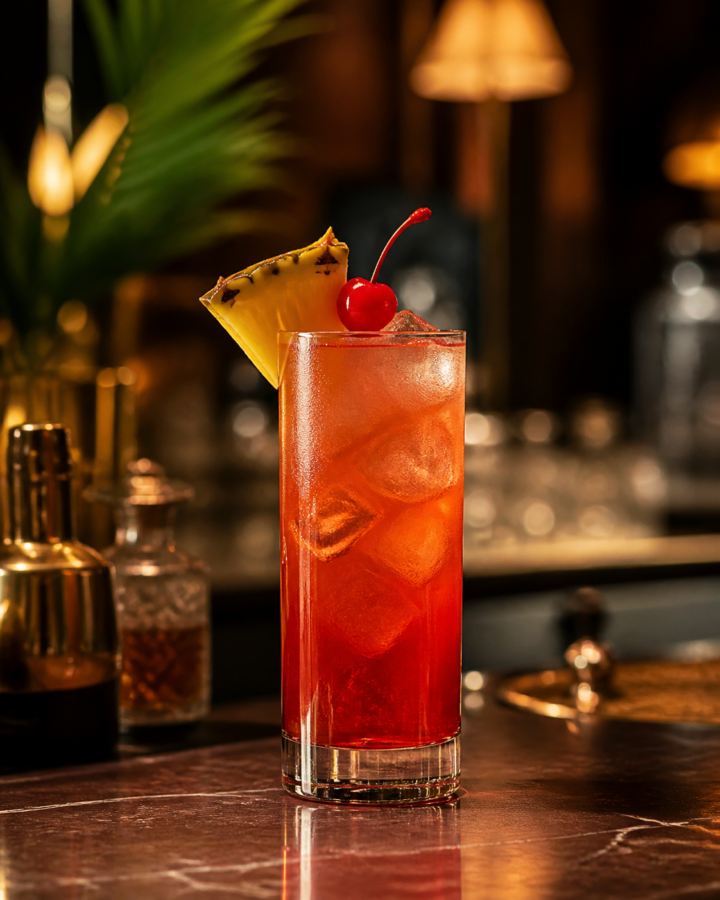
The classic style usually combines gin with pineapple juice, lime juice, cherry liqueur, orange liqueur, a herbal liqueur such as Benedictine, grenadine, bitters, and a small amount of soda. The result is typically pink to red, with tropical fruit on the nose and a finish that can move from sweet to citrusy and gently bitter.
For additional historical background, see the Wikipedia overview of the Singapore Sling. It is useful to remember that the cocktail served today may be a house interpretation rather than a strict historical reproduction.
Singapore Sling ingredients for a balanced recipe
This home version makes one tall drink. Use fresh citrus and measure the ingredients carefully; the cocktail contains several assertive flavors, so small changes can noticeably affect the balance.
- 45 ml London dry gin
- 15 ml cherry liqueur or cherry brandy
- 10 ml orange liqueur
- 10 ml Benedictine or another gently herbal liqueur
- 15 ml fresh lime juice
- 60 ml pineapple juice
- 5 ml grenadine, adjusted to taste
- 1 dash Angostura bitters
- 30 to 60 ml chilled soda water
- Ice, plus a pineapple wedge and cherry for garnish
Why each ingredient matters
Gin keeps the drink from becoming flat and gives it a botanical center. Cherry liqueur adds the familiar red-fruit note, but too much can make the cocktail taste syrupy. Pineapple brings body, acidity, and tropical sweetness, while lime juice prevents that sweetness from becoming heavy.
Orange liqueur adds citrus aroma, Benedictine contributes warm herbal depth, and bitters provide a dry, spicy counterpoint. Grenadine is mainly used for color and sweetness, so it should be added modestly. If your pineapple juice is already very sweet, you may need less grenadine than the suggested amount.
How to make a Singapore Sling at home
Step-by-step method
- Chill a tall Collins or highball glass, or fill it with ice while you prepare the drink.
- Add the gin, cherry liqueur, orange liqueur, Benedictine, lime juice, pineapple juice, grenadine, and bitters to a cocktail shaker.
- Fill the shaker with ice and shake firmly for about 10 to 15 seconds. This chills the drink and combines the fruit juices with the spirits.
- Strain into the ice-filled glass. Use fresh ice if possible, as it keeps the drink colder and reduces dilution from the shaking ice.
- Top with soda water and give the drink one gentle stir from the bottom upward.
- Garnish with a pineapple wedge and a cherry, then serve immediately.
The finished cocktail should taste integrated rather than sharply separated into sweet, sour, and alcoholic layers. If it tastes too sweet, add a little more lime or soda. If it is too tart, add a small amount of grenadine or pineapple juice. If the gin disappears completely, reduce the pineapple slightly or increase the gin by a small measure.
Serving tips and flavor variations
Presentation is part of the Singapore Sling experience. A tall glass, plenty of ice, and a simple tropical garnish make the drink feel generous without requiring elaborate bar equipment. Clear ice is attractive, but ordinary fresh cubes work perfectly well at home.
Choose the right gin
A classic London dry gin works especially well because its juniper and citrus notes can stand up to pineapple and cherry. A softer contemporary gin will produce a rounder, less piney drink. Avoid using an intensely flavored gin until you know how its botanicals interact with the herbal liqueur and bitters.
Adjust the sweetness carefully
Different pineapple juices, cherry liqueurs, and grenadines contain very different levels of sugar. Taste before adding extra sweetener. Fresh lime is also important: bottled lime juice can taste flatter and less aromatic, which may make the drink seem sweeter than it really is.
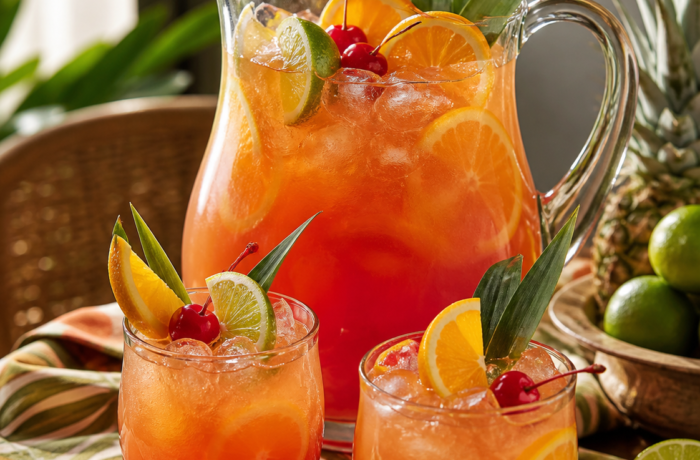
For a lighter version, keep the same flavor structure but increase the soda and reduce the liqueurs slightly. For a drier version, use less grenadine and choose a less sweet cherry liqueur. If you enjoy tropical party drinks, compare its fruit-forward style with this balanced rum punch recipe.
What to eat with a Singapore Sling
The cocktail’s acidity and fruit character make it a natural partner for lightly spiced food, grilled seafood, and dishes with ginger, chili, or citrus. It can also work with salty snacks such as roasted nuts, crispy appetizers, and mild cheeses. Avoid pairing it with desserts that are extremely sweet, since the combination may make the drink taste heavy.
Serve it early in the evening when its refreshing tropical profile is most welcome. Because it contains several alcoholic ingredients, the drink can be stronger than its juice-forward flavor suggests. Measure carefully, sip slowly, and offer water alongside it when serving guests.
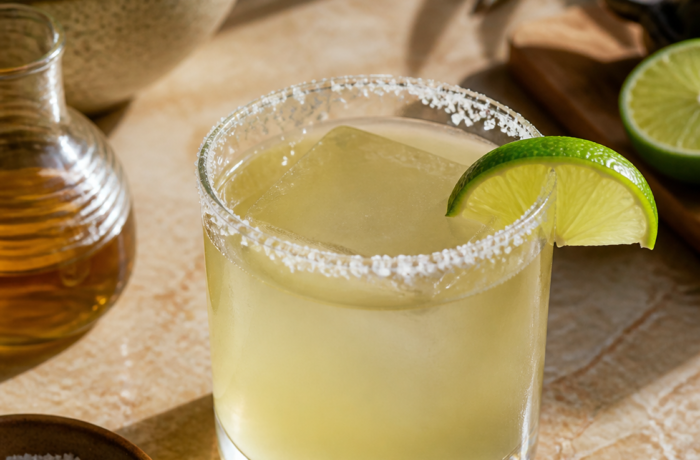
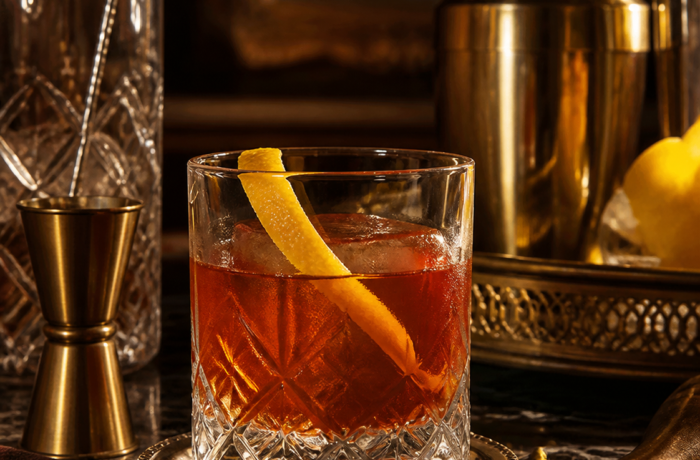
If you prefer a more spirit-led classic cocktail after trying this fruitier style, explore the Sazerac cocktail guide. For a bright agave-based alternative, the Tommy’s Margarita recipe offers a much simpler structure built around tequila, lime, and agave.
Final thoughts
The Singapore Sling succeeds because it balances contrast: gin against tropical fruit, lime against sweetness, and herbal depth against a refreshing soda finish. Treat the recipe as a framework rather than a rigid rule, but keep the central idea intact. Fresh citrus, measured sweetness, quality ice, and a restrained garnish will take the drink much further than simply adding more juice or liqueur.