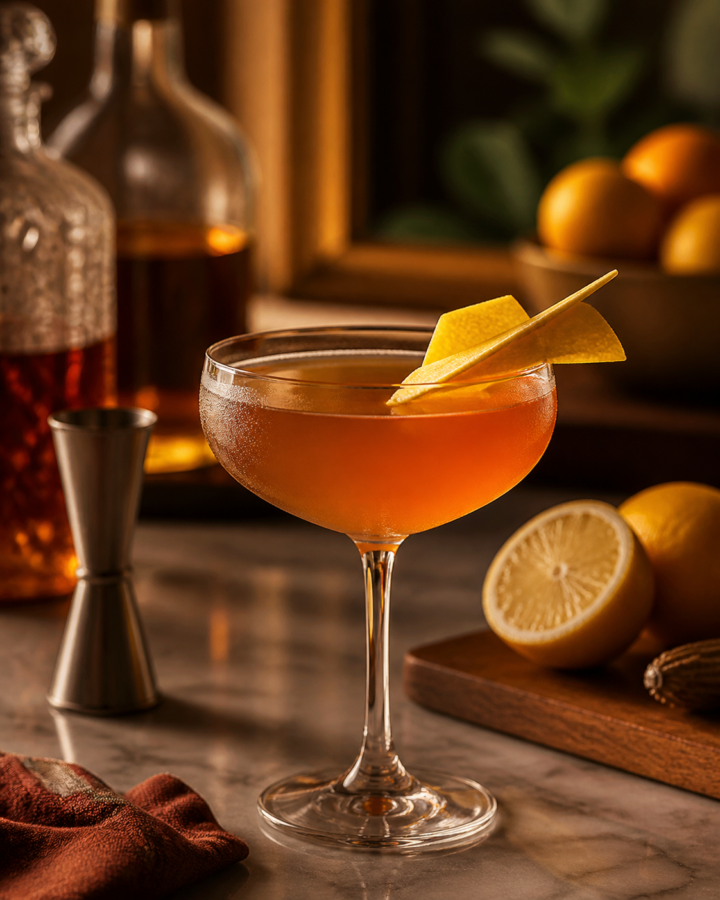
The paper plane is one of the most approachable modern whiskey cocktails: bright enough for people who usually prefer refreshing drinks, yet layered enough to satisfy bourbon fans. Its signature balance comes from four equal parts—bourbon, fresh lemon juice, Aperol and Amaro Nonino. The result is tart, gently bitter, lightly sweet and pleasantly warming without tasting heavy.
This is also a useful drink to know if you are building a home bar. It does not require a long list of syrups, unusual equipment or elaborate garnishes. With fresh citrus, a good bourbon and properly chilled glassware, you can make a polished cocktail in a few minutes.
What is a paper plane cocktail?
A paper plane is a shaken bourbon cocktail built around a simple equal-parts formula. Bourbon provides vanilla, oak and spice; lemon juice adds sharp acidity; Aperol contributes a mild orange bitterness; and Amaro Nonino brings herbal, fruity and bittersweet depth. Because none of the ingredients dominates completely, the drink feels composed rather than aggressive.
The cocktail is often associated with modern American bartending and is commonly credited to bartender Sam Ross. Its memorable name and pinkish-orange colour helped it become popular, but its staying power comes from the structure of the recipe. It is essentially a whiskey sour with a more complex bitter-sweet profile.
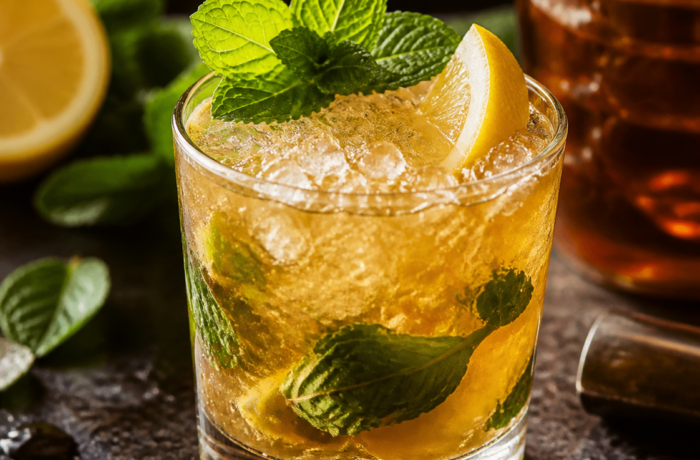
Unlike a traditional whiskey sour, the paper plane usually does not use egg white or simple syrup. That makes it faster to prepare and gives it a clean, translucent appearance. If you enjoy citrus-led drinks, you may also like this guide to a fresh, citrus-forward Whiskey Smash.
Paper plane recipe and ingredients
The classic starting point is an equal measure of each ingredient. For one cocktail, use:
- 22.5 ml bourbon
- 22.5 ml Aperol
- 22.5 ml Amaro Nonino
- 22.5 ml freshly squeezed lemon juice
- Ice for shaking
- A lemon twist or small lemon peel, for garnish
Many home bartenders use 30 ml of each ingredient for a larger serving. The proportions matter more than the exact volume, so keep the four parts equal. If you prefer a less intense drink, shake the same recipe and serve it over fresh ice in a rocks glass. The classic presentation, however, is usually strained into a chilled coupe or Nick & Nora glass.
How to make it
- Chill your serving glass in the freezer or fill it with ice and water while you prepare the drink.
- Add bourbon, Aperol, Amaro Nonino and fresh lemon juice to a cocktail shaker.
- Fill the shaker generously with ice. Shake firmly for about 10 to 15 seconds, until the outside becomes cold and frosty.
- Discard the temporary ice from the glass, if used, and double-strain the cocktail into it. A fine strainer helps remove small ice chips and lemon pulp.
- Express a lemon peel over the surface, rub it around the rim and place it in or beside the drink.
Use fresh lemon juice rather than bottled juice whenever possible. The drink has very few ingredients, so the flavour and freshness of the citrus are easy to notice. Shake immediately before serving; a cocktail that sits in a shaker can become over-diluted and lose its lively aroma.
How to balance the drink to your taste
The equal-parts formula is a dependable starting point, but different bourbons, lemons and amari can change the final result. A particularly tart lemon may make the cocktail seem dry, while a sweeter bourbon can soften the edges. Taste your first version and make small adjustments rather than changing the recipe dramatically.
If your paper plane tastes too sour
Try adding a little more bourbon or reducing the lemon juice by a small amount on the next attempt. You can also use a slightly sweeter bourbon. Avoid adding a large quantity of sugar immediately, because the bitter ingredients are meant to remain noticeable.
If it tastes too bitter
Check that you have used the intended amaro and that the drink is not under-diluted. A longer, energetic shake can soften the intensity with additional water from the ice. If necessary, increase the bourbon slightly or use a touch less Aperol and amaro while keeping the cocktail close to its classic shape.
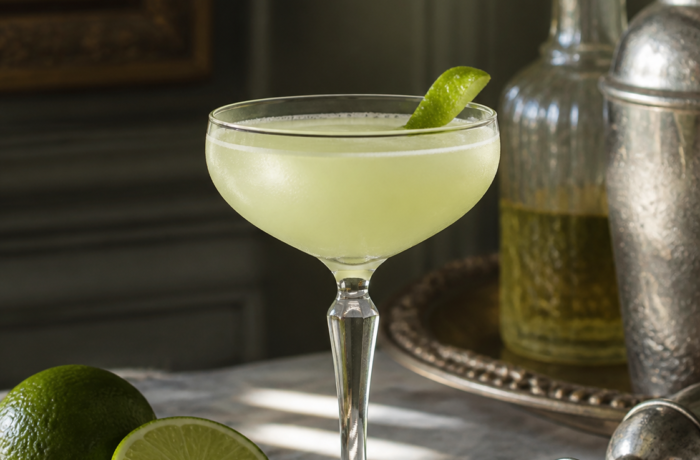
If you cannot find Amaro Nonino, another amaro may work, but the result will not be identical. Some alternatives are darker, sweeter or more bitter, so begin with a smaller amount and adjust carefully. Replacing it with a random herbal liqueur can produce a drink that is unbalanced. For another classic built around careful sweet, sour and bitter interplay, explore this balanced Last Word cocktail guide.
Choosing ingredients and serving style
Bourbon does not need to be expensive for this drink. Choose one with enough character to stand up to citrus and bitter liqueurs, but avoid a bottle that is so heavily flavoured that it overwhelms the other ingredients. A bourbon with notes of caramel, vanilla, baking spice or toasted oak is a sensible choice.
Aperol is gentler and less intensely bitter than many red Italian aperitifs, which is why it works well in this recipe. Amaro Nonino is comparatively elegant and aromatic. If you are shopping in India, availability and bottle prices can vary considerably by state, retailer and local alcohol regulations. Check the label, serving size and local pricing rather than assuming that a cocktail recipe will cost the same everywhere.
Serve the drink very cold in a stemmed glass for a refined aperitif. Its moderate size makes it suitable before dinner, while the lemon and orange notes pair nicely with salty snacks, grilled seafood, roast chicken, hard cheese and lightly spiced dishes. Keep food flavours balanced; very sweet desserts can make the cocktail seem sharper and more bitter than it is.
Common mistakes to avoid
- Using old lemon juice: Flat or oxidised citrus removes the freshness that gives the drink its lift.
- Skipping proper dilution: A short shake can leave the cocktail hot, concentrated and overly alcoholic.
- Over-garnishing: The paper plane does not need a complicated decoration. A lemon peel is enough.
- Serving it warm: Chill the glass and shake with plenty of solid ice for a cleaner texture.
- Changing every ingredient at once: If you are experimenting, adjust one element at a time so you can understand the effect.
Final thoughts on the paper plane
The paper plane earns its place in a home cocktail collection because it is distinctive without being difficult. The recipe is easy to remember, the ingredients are practical for several other drinks, and the balance can be fine-tuned to suit different palates. Start with equal parts, fresh lemon and a thorough shake. Once you understand the relationship between bourbon, citrus and bitter liqueurs, you can make small adjustments while keeping the drink recognisably itself.
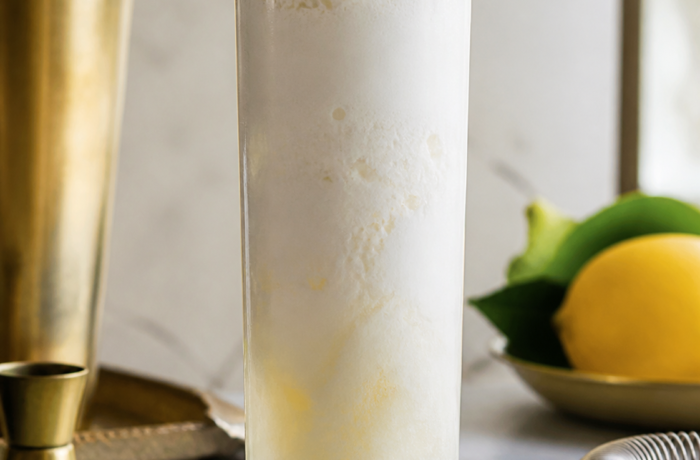
For a creamy, more theatrical alternative to citrus-forward whiskey drinks, you can also try this Ramos Gin Fizz guide. As with any alcoholic drink, enjoy the paper plane responsibly, measure pours carefully and never drink and drive.
Reference: For background context, see Paper plane on Wikipedia.