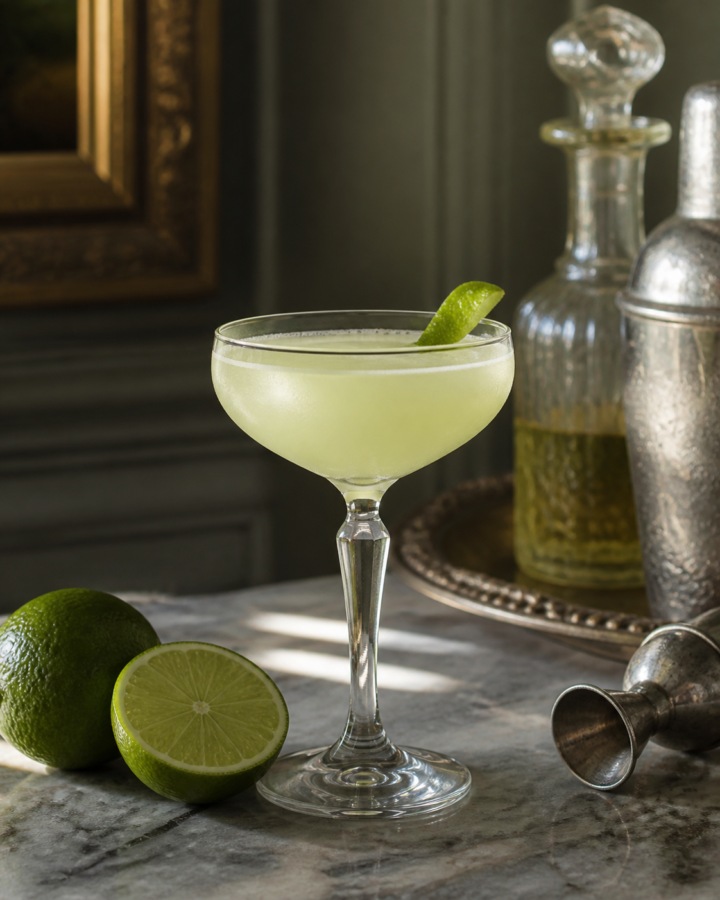
The Last Word cocktail is one of those rare drinks that feels both classic and modern. Its vivid green color hints at the herbal flavor inside, while fresh lime keeps the drink bright and lively. Made with equal parts gin, green Chartreuse, maraschino liqueur, and lime juice, it is compact, aromatic, tart, and surprisingly well balanced. If you enjoy cocktails with character rather than simple sweetness, this is an excellent recipe to learn.
What Is the Last Word Cocktail?
The Last Word is a shaken gin sour built around four ingredients in equal proportions. Gin provides a crisp botanical foundation, green Chartreuse brings intense herbal depth, maraschino liqueur adds a lightly sweet cherry-and-almond note, and lime juice supplies the acidity needed to tie everything together.
Despite its small ingredient list, the drink has a layered profile. The first sip can seem sharp or herbal, but the flavors quickly settle into a smooth combination of citrus, spice, flowers, and subtle fruit. It is usually served straight up in a chilled coupe or Nick and Nora glass, without ice in the finished drink.
For a broader background, you can also read the Wikipedia overview of the Last Word cocktail. The recipe is especially appealing to home bartenders because it needs no complicated equipment, syrups, or elaborate garnish.
Last Word Cocktail Recipe
This equal-parts formula makes one standard cocktail. Measuring accurately matters because each ingredient has a strong personality.
- 22.5 ml gin
- 22.5 ml green Chartreuse
- 22.5 ml maraschino liqueur
- 22.5 ml freshly squeezed lime juice
- Ice
- Optional garnish: a lime twist or a small cocktail cherry
How to Make It
- Chill a coupe, Nick and Nora glass, or small stemmed cocktail glass.
- Add the gin, green Chartreuse, maraschino liqueur, and lime juice to a cocktail shaker.
- Fill the shaker with fresh ice and shake firmly for about 10 to 15 seconds.
- Strain through a fine strainer into the chilled glass for a clean, silky texture.
- Garnish lightly, if desired, and serve immediately.
A fine strain is optional, but it removes small shards of ice and excess lime pulp. The drink should be cold and bright, not watery, so use plenty of ice and shake with purpose.
Why the Equal-Parts Formula Works
Many cocktails depend on one ingredient taking the lead. The Last Word is different: its identity comes from the tension between four equally measured components.
Gin and Green Chartreuse
Gin gives the cocktail its familiar juniper-led structure, although different gins will change the final result. A dry, classic London-style gin usually creates a clear and focused drink. A softer contemporary gin may make it more floral or citrus-forward.
Green Chartreuse is powerful, sweet, and intensely herbal. It can include notes that suggest mint, anise, spice, and alpine botanicals, so it should not be casually substituted with an ordinary herbal liqueur if you want the traditional character. Because it is assertive, precise measuring is particularly important.
Maraschino and Lime
Maraschino liqueur is not the same as the bright-red syrup used in many jarred cocktail cherries. It is a clear liqueur with a distinctive bitter-sweet cherry character and a gentle nutty quality. In this drink, it rounds the herbs and softens the acidity without making the cocktail taste sugary.
Fresh lime juice is essential. Bottled lime juice can taste flat or overly sharp, which makes the drink less balanced. Taste the lime before mixing if possible; natural fruit varies, and a particularly acidic lime may make the finished cocktail seem leaner.
Tips for a Better Last Word
- Use a jigger: Equal parts do not mean approximate parts. Small changes can make the herbal liqueur dominate.
- Chill the glass first: Place it in the freezer or fill it with ice and water while you prepare the drink.
- Shake rather than stir: Lime juice needs the aeration and dilution produced by shaking.
- Use fresh ice: Old, wet ice can dilute the cocktail before it reaches the shaker.
- Keep the garnish restrained: A small twist adds aroma, while too much peel can distract from the herbal profile.
- Serve promptly: This is a short drink, and its texture and temperature are best immediately after straining.
If you are new to botanical cocktails, the Last Word may taste more intense than a simple gin and tonic. For a longer, more refreshing gin drink, compare it with this bright Tom Collins recipe. The Tom Collins uses citrus and sparkling water to create a lighter style, while the Last Word concentrates its flavor in a small glass.
Common Mistakes and Easy Adjustments
When the Drink Tastes Too Sharp
A harsh or aggressively sour result usually points to too much lime, too little dilution, or a particularly tart piece of fruit. First, check your measurements and shake with enough ice. If the balance is still too sharp for your taste, try reducing the lime very slightly on the next attempt rather than adding extra sugar.
When the Herbal Flavor Takes Over
Green Chartreuse is meant to be noticeable, but it should not completely cover the gin and lime. Measure it carefully and avoid using a small glass that makes the aroma feel overly concentrated. A gin with a clean, restrained botanical profile can also help create a more balanced version.
If the drink seems too sweet, make sure you are using maraschino liqueur rather than cherry syrup. If it seems thin, check whether the shaker was filled with enough ice and whether the glass was properly chilled.
Variations and Serving Ideas
The original recipe is worth trying before changing it, but small adjustments can suit different preferences. A more citrus-led gin will emphasize the lime, while a juniper-forward gin will make the drink feel drier and more classic. You can also serve it in a smaller chilled glass if you prefer a compact after-dinner cocktail.
For a slightly softer presentation, garnish with a thin lime twist. A cocktail cherry works too, although it adds visual sweetness to a drink that is otherwise crisp and green. Avoid adding soda or tonic to the traditional version; doing so changes the drink into a different style rather than improving the balance.
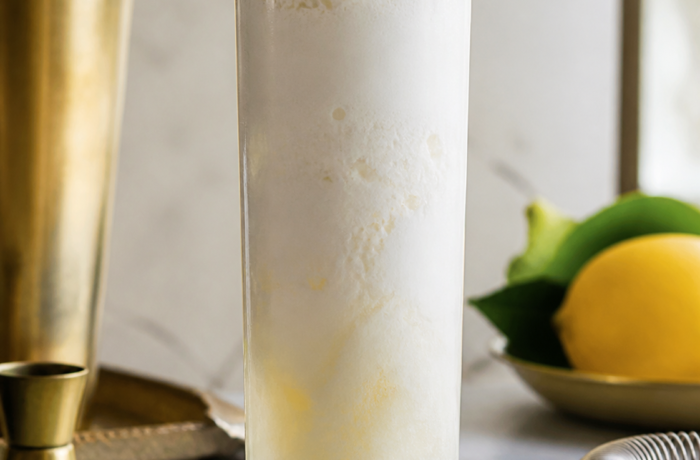
When planning a mixed-drinks menu, pair the Last Word with contrasting choices. A creamy, citrusy Ramos Gin Fizz guide offers a completely different texture, while a rum-based Cuba Libre cocktail brings cola, lime, and caramel notes. These comparisons help guests understand how base spirit, acidity, sweetness, and texture shape a cocktail.
What to Serve with a Last Word
The drink’s herbal and citrus character works well with salty, savory snacks. Try it with toasted nuts, marinated olives, crisp crackers, or mild soft cheese. Seafood with herbs and lemon can also complement the lime and botanical notes without overwhelming them.
Because the Last Word is aromatic and fairly concentrated, it is usually better before or after a meal than alongside very sweet desserts. Serve it cold, keep the garnish simple, and let the four-part recipe do the work. Once you have the proportions right, this memorable gin cocktail becomes a dependable addition to any home bar.