The Sazerac is one of the most distinctive classic cocktails: strong, aromatic, lightly sweet, and unmistakably connected with New Orleans. Unlike a tall, refreshing mixed drink, it is designed to be sipped slowly. Rye whiskey or Cognac provides the body, bitters add spice, sugar rounds the edges, and a thin absinthe rinse leaves a subtle anise fragrance in the glass.
That combination can sound intense, but a well-made Sazerac is balanced rather than harsh. The key is restraint. You do not need a large amount of absinthe, excessive sugar, or a long list of ingredients. Good technique and quality spirits make a greater difference than complexity.
What is a Sazerac?
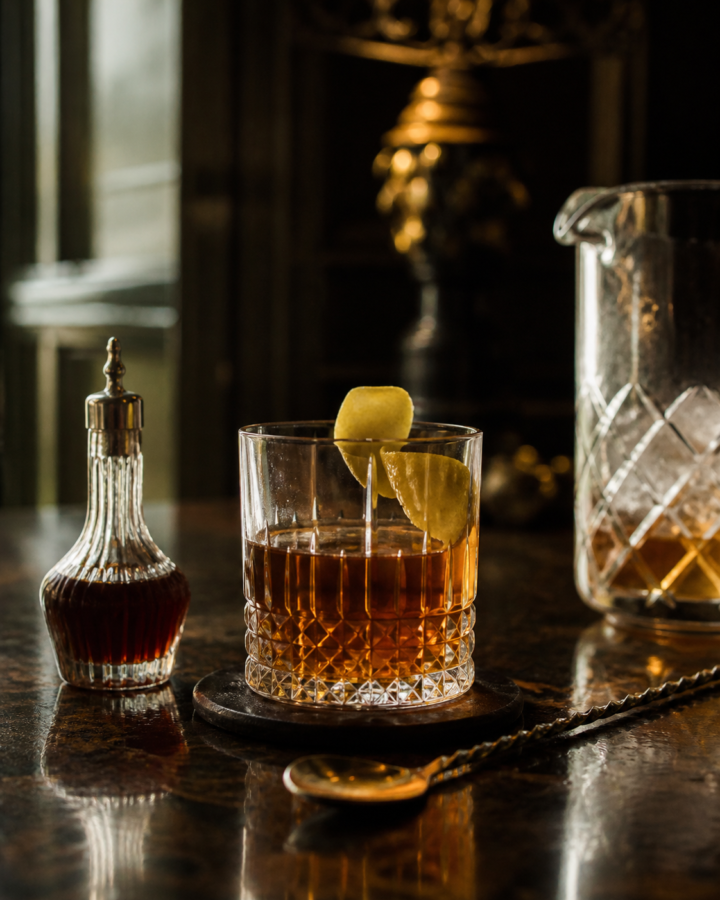
A Sazerac is a stirred, spirit-forward cocktail traditionally served in a chilled old-fashioned glass without ice. Its familiar ingredients include rye whiskey, Peychaud’s bitters, sugar, and an absinthe rinse. Some versions use Cognac, while modern bartenders may combine whiskey and brandy to create a richer drink.
The cocktail is closely associated with New Orleans drinking culture and the Sazerac Coffee House tradition. Its exact early history is often discussed alongside changes in spirits, bitters, and local bar customs, so it is best understood as a drink that developed over time rather than as a recipe with one uncontested origin story. For a broader historical overview, see the Sazerac entry on Wikipedia.
What makes the drink memorable is its layered aroma. Before the first sip, the glass smells of citrus oil and anise. The palate then brings warmth from the whiskey or Cognac, gentle sweetness from the sugar, and a complex herbal bitterness from the bitters and absinthe.
The role of each ingredient
- Rye whiskey: Gives the cocktail a dry, spicy, peppery backbone. It is the most popular modern choice.
- Cognac: Creates a softer, fruitier, and rounder drink with a brandy-led character.
- Peychaud’s bitters: Add floral, lightly anise-like spice and the classic red tint associated with many Sazeracs.
- Sugar: Smooths the alcohol and connects the bitters with the base spirit. A small amount is enough.
- Absinthe: Is used mainly to perfume the glass, not to dominate the cocktail.
- Lemon peel: Releases bright oils over the surface. It is usually expressed over the drink and discarded or added as a garnish.
How to make a Sazerac at home
Making a Sazerac is simple, but the order of preparation matters. You are not shaking this cocktail, and you are not usually serving it over ice. Stirring provides the right amount of dilution while keeping the texture smooth and clear.
Classic Sazerac recipe
- 60 ml rye whiskey or Cognac
- 1 sugar cube, or approximately 5 ml simple syrup
- 3 dashes Peychaud’s bitters
- A small measure of absinthe for rinsing the glass
- One lemon peel
- Ice for stirring and chilling
Method:
- Chill an old-fashioned glass by filling it with ice and setting it aside, or place it in the freezer briefly.
- Pour a small amount of absinthe into the glass, rotate it to coat the inside, and discard the excess. The goal is an aromatic film rather than an absinthe-heavy drink.
- In a separate mixing glass, combine the sugar and bitters. If using a sugar cube, add a few drops of water and gently muddle until it begins to dissolve.
- Add the rye whiskey or Cognac and plenty of ice. Stir for roughly 20 to 30 seconds, or until the drink is cold and lightly diluted.
- Strain into the prepared glass. Traditionally, the cocktail is served without fresh ice.
- Express the lemon peel over the surface to release its oils, then garnish according to preference.
For a detailed walkthrough with additional serving notes, visit this classic Sazerac cocktail recipe and guide.
Why stirring and dilution matter
A Sazerac contains very little non-alcoholic liquid, so dilution is important. Stirring with ice lowers the temperature and adds a controlled amount of water, making the drink less aggressive and allowing the bitters and citrus aroma to show through. Stir too briefly and the whiskey may taste hot; stir too long and the cocktail can become thin.
Glass preparation also matters. A well-chilled glass keeps the drink pleasant even without ice. If you prefer a colder, slower-sipping version, serving it over one large cube is a practical modern adaptation, although it differs from the classic presentation.
Choosing the best spirit for a Sazerac
Rye whiskey is the easiest place to start if you want a classic, lively profile. Choose a rye that has enough flavour to stand up to bitters and sugar, but avoid a bottle that tastes aggressively hot or overly oaked. A balanced rye will bring spice, grain, and a dry finish.
Cognac gives the cocktail a different personality. Expect more dried fruit, vanilla, and rounded warmth, with less of the peppery edge associated with rye. This style can be especially appealing to drinkers who enjoy brandy-based cocktails or prefer a gentler finish.
If you are experimenting, try the same recipe with both spirits and compare them side by side. Keep the bitters, sugar, and dilution consistent so the base spirit is the main variable. When shopping in India, bottle sizes, imported-stock availability, and local liquor prices can vary considerably by state and retailer, so checking current local listings is more reliable than relying on a fixed national price.
Common mistakes and easy improvements
- Using too much absinthe: A rinse should add fragrance. If the anise flavour overwhelms the whiskey, use less and discard more of the excess.
- Skipping dilution: Stir the drink with ice even if you plan to serve it neat. Chilling alone is not enough to soften the alcohol.
- Adding too much sugar: The Sazerac should remain dry and spirit-led. Start with a small amount and adjust only if necessary.
- Using a dull lemon peel: Fresh citrus oils are a major part of the aroma, so peel the lemon just before serving.
- Shaking the cocktail: Shaking introduces unnecessary aeration and can make the drink cloudy. Stirring is the better technique here.
The Sazerac is also a useful reference point when exploring other classic cocktails. If you enjoy balanced, bittersweet drinks, you may like the herbal complexity of The Last Word cocktail. For a brighter gin-based alternative with citrus and orange liqueur, try the White Lady cocktail.
How to serve and enjoy it
Serve a Sazerac before dinner, alongside rich savoury snacks, or as a slow after-dinner drink. Its dry, aromatic profile works well with smoked foods, cured meats, hard cheese, roasted nuts, and dark chocolate. Because it is a strong cocktail, a small serving and a slow pace are more suitable than treating it like a casual long drink.
Ultimately, the best Sazerac is the one that fits your palate. Start with rye for a spicy, traditional-style drink, use Cognac for a softer version, and adjust the sugar or absinthe rinse carefully rather than changing everything at once. Once you understand the balance, this compact New Orleans classic becomes an elegant and repeatable home cocktail.