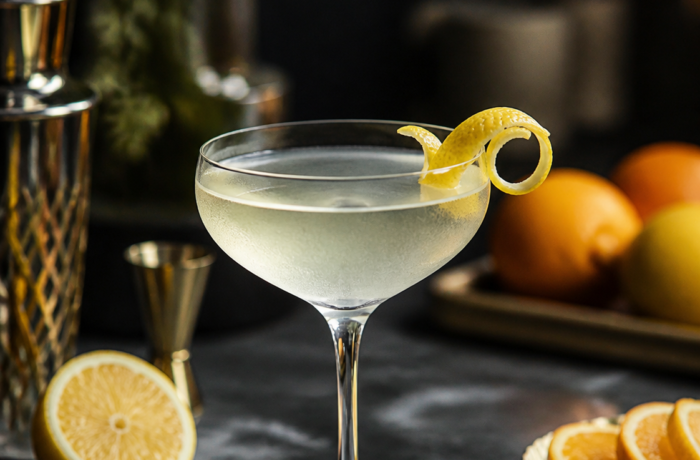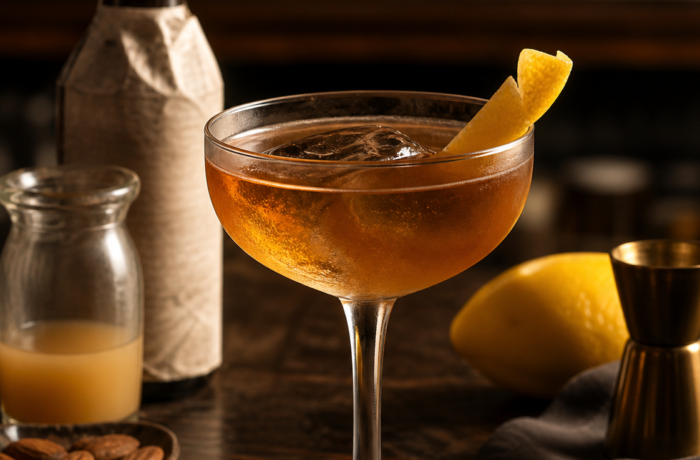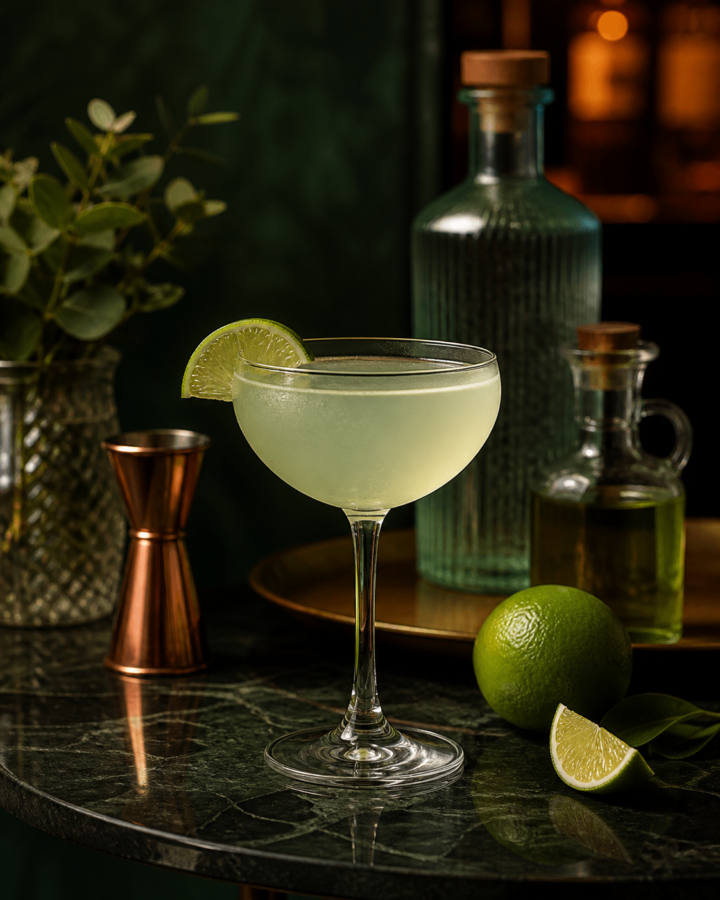
The Last Word is a cocktail for drinkers who enjoy contrast. It combines crisp gin, sharp fresh lime, sweet maraschino liqueur, and the deep herbal character of green Chartreuse in equal proportions. The result is bright, aromatic, and surprisingly smooth: a drink that begins with citrus, develops layers of herbs and fruit, and finishes with a clean, gently bitter note.
Although the recipe is simple, its flavor is not one-dimensional. The Last Word can feel refreshing before dinner, sophisticated at a cocktail gathering, or like an interesting alternative to a sweeter fruit-based drink. If you are discovering classic cocktails, this is an especially useful recipe because each ingredient has a clear job and the balance is easy to understand.
What is The Last Word?
The Last Word is a classic equal-parts cocktail traditionally made with gin, green Chartreuse, maraschino liqueur, and fresh lime juice. It is usually shaken with ice and strained into a chilled coupe or Nick & Nora glass. Its naturally pale green color comes from the Chartreuse, while the lime gives the drink its lively, refreshing edge.
The cocktail is often associated with Detroit and the cocktail culture of the early twentieth century. Its exact early history is discussed in different accounts, but the recipe became widely recognized again during the modern revival of classic cocktails. The name itself is memorable, and the drink has earned a following because the equal-parts structure produces a distinctive balance without requiring a long ingredient list.
For a closer look at the drink’s background and character, read this guide to The Last Word cocktail and its bright, balanced profile. You can also explore the broader historical overview on Wikipedia’s page about The Last Word.
The Last Word ingredients and what each one adds
The classic formula uses equal parts of all four ingredients. This makes the recipe easy to remember, but accurate measuring still matters. Small changes can noticeably alter the drink because every component contributes a strong flavor.
- Gin: Gin provides the dry, juniper-led foundation. A traditional London dry gin works well, but a softer or more citrus-forward gin can create a gentler version.
- Green Chartreuse: This herbal French liqueur adds intense botanical depth, spice, sweetness, and a subtle bitter edge. It is the most assertive ingredient in the recipe.
- Maraschino liqueur: Maraschino brings a concentrated cherry character, though it does not taste like a sugary cherry syrup. Its nutty, lightly floral flavor helps connect the gin and Chartreuse.
- Fresh lime juice: Lime supplies acidity and keeps the drink from becoming heavy. Freshly squeezed juice is strongly recommended because bottled juice can taste flat or overly sharp.
A practical starting point is 22.5 ml of each ingredient, which gives one well-sized cocktail before dilution. If you prefer a larger drink, you can increase the amount evenly, but avoid changing only one ingredient until you know how the original balance tastes.
Choosing the right gin
The gin does not need to be expensive, but it should be one you enjoy on its own. A classic dry gin emphasizes juniper and makes the drink feel more traditional. A modern gin with citrus or floral botanicals can make the cocktail more aromatic, while a very strongly flavored gin may compete with the Chartreuse.
If you are new to gin cocktails, start with a balanced bottle rather than the most unusual option on the shelf. Once you understand the classic recipe, experimenting with different gin styles becomes much more rewarding.
How to make The Last Word at home
- Measure equal parts gin, green Chartreuse, maraschino liqueur, and fresh lime juice into a cocktail shaker.
- Fill the shaker generously with ice and shake firmly for about 10 to 15 seconds.
- Strain the drink through a fine strainer into a chilled coupe or Nick & Nora glass.
- Serve immediately, with a small lime twist or without a garnish.
Shaking is important because it chills the ingredients and adds a controlled amount of water. That dilution softens the alcohol and allows the herbal, citrus, and cherry notes to blend. A drink that is not chilled enough may taste harsh, while excessive shaking or very small ice can make it watery.
For a more detailed home method, see this guide to making The Last Word cocktail at home. Chill the serving glass in advance if possible; the cold glass helps preserve the drink’s texture and aroma after straining.
Common mistakes to avoid
- Using old lime juice: Fresh acidity is central to the drink’s structure, so squeeze the lime shortly before mixing.
- Overpouring the Chartreuse: Its herbal flavor is powerful. Keep the equal-parts ratio intact when making the classic version.
- Skipping the ice shake: Simply stirring the ingredients will not create the same chill, dilution, or frothy surface.
- Serving it warm: A chilled glass and cold shaker make a noticeable difference.
- Adding extra sugar: The maraschino liqueur already supplies sweetness. Taste the classic recipe before modifying it.
What does The Last Word taste like?
The first impression is tart and fresh, followed by a layered herbal flavor from the Chartreuse. Gin brings dryness and structure, while maraschino adds a rounded cherry-and-almond-like note. The drink is not a conventional sweet cocktail; its appeal comes from the tension between acidity, sweetness, botanicals, and bitterness.
Its texture is usually light but silky from shaking. The aroma can be quite expressive, particularly when the drink is served in a narrow-stemmed glass that concentrates the botanical notes. If you prefer bright, spirit-forward drinks, The Last Word may become a favorite. If you usually choose mellow or creamy cocktails, its herbal intensity may take a sip or two to appreciate.
Food pairings and variations
The cocktail’s acidity makes it a natural partner for lightly spiced snacks, salty appetizers, grilled seafood, and dishes with fresh herbs. It can also work well before a meal because the lime keeps the drink lively rather than syrupy. Serve it in a modest portion, since the equal-parts recipe contains four alcoholic ingredients.
Once you understand the original, you can explore related cocktails. The White Lady cocktail offers another bright gin-based experience, using citrus and orange liqueur for a cleaner, more citrus-led profile. Variations on The Last Word often replace the gin or adjust the proportions, but changing the recipe too much can move it away from the distinctive classic balance.
If you are serving guests, prepare the ingredients in advance but shake each drink to order. This preserves the chill and freshness of the lime. Keep the presentation simple: a clear glass, a pale green color, and a clean citrus aroma already give the cocktail plenty of visual and sensory appeal.
Final thoughts
The Last Word remains memorable because it achieves complexity through restraint. Four equal parts create a cocktail that is tart, herbal, gently sweet, and unmistakably gin-forward without tasting disjointed. Use fresh lime, measure carefully, shake with plenty of ice, and serve it cold. Those small details are enough to turn a short ingredient list into a polished classic worth returning to.