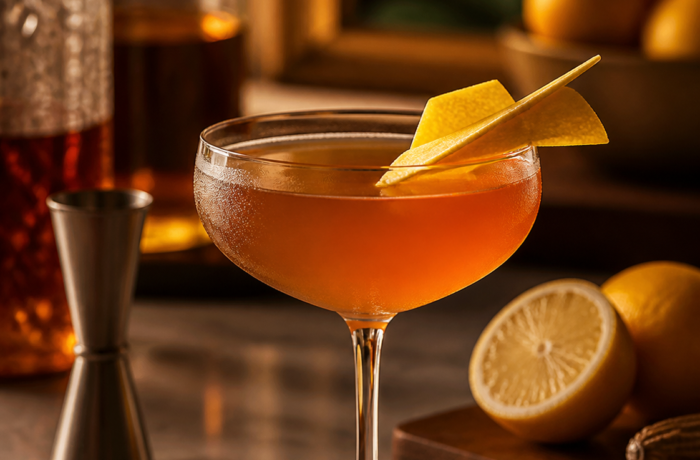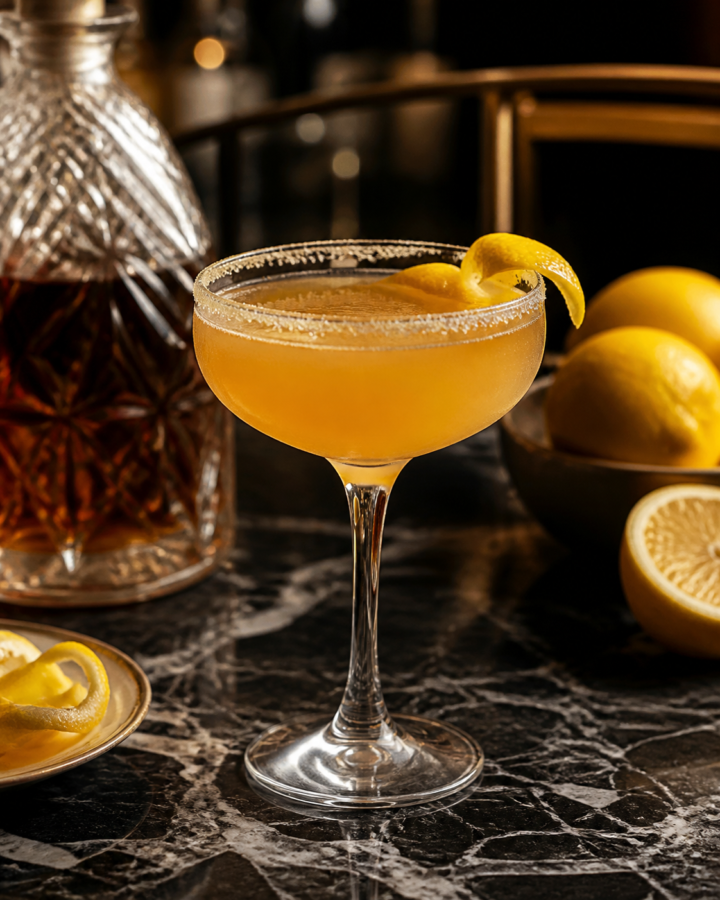
A well-made sidecar recipe is one of the easiest ways to make brandy feel bright, modern, and perfectly suited to a relaxed evening at home. The drink combines brandy, orange liqueur, and fresh lemon juice, then balances those bold ingredients with careful proportions and a thorough shake. The result is cool, citrusy, lightly sweet, and pleasantly warming without being heavy.
The Sidecar is also wonderfully practical: it needs only three core ingredients, no unusual equipment, and a few minutes of preparation. For a broader look at the drink’s history and variations, see the Sidecar cocktail overview on Wikipedia. The recipe below focuses on a reliable classic version that you can adjust to suit your preferred level of sweetness and acidity.
Sidecar Recipe: Ingredients and Equipment
Use fresh ingredients wherever possible. Since there are so few components in this cocktail, the quality and freshness of each one are easy to notice.
Ingredients for one cocktail
- 50 ml brandy, Cognac, or another smooth aged grape brandy
- 25 ml orange liqueur, such as triple sec or Cointreau-style liqueur
- 25 ml freshly squeezed lemon juice
- Ice, preferably large and solid
- Optional: fine sugar and a lemon wedge for a half sugar rim
- Optional garnish: a thin lemon twist or a small orange twist
What you will need
- Cocktail shaker
- Jigger or measuring tool
- Fine strainer
- Chilled coupe or Nick and Nora glass
The classic equal-parts style is often made with the same amount of brandy, orange liqueur, and lemon juice. This version uses a little more brandy, which gives the drink a rounder base while keeping the lemon noticeable. If you prefer a sharper, more compact cocktail, you can reduce the brandy to 40 ml.
How to Make This Sidecar Recipe
- Chill the glass. Place your coupe or Nick and Nora glass in the freezer for a few minutes, or fill it with ice and cold water while you prepare the drink.
- Prepare the rim, if using one. Run a lemon wedge around only half of the glass rim, then dip that section into fine sugar. A half rim lets you choose between a sweeter sip and a clean, unsweetened sip.
- Measure the ingredients. Add the brandy, orange liqueur, and freshly squeezed lemon juice to a cocktail shaker.
- Add plenty of ice. Fill the shaker with ice. More ice helps the drink chill quickly and limits excessive dilution while shaking.
- Shake firmly. Shake for about 10 to 15 seconds, until the outside of the shaker feels very cold. A vigorous shake also gives the lemon juice a smoother texture.
- Strain and garnish. Empty the chilling ice from the glass, then double-strain the cocktail into it. Add a lemon twist, expressing the peel over the surface first if you like.
Double-straining is optional, but it removes small ice chips and lemon pulp, leaving the drink especially polished. If you enjoy a little texture and a more relaxed presentation, a single strain works perfectly well.
How to Balance the Flavors
The Sidecar is a balance of three contrasting tastes: the deep, fruity warmth of brandy, the sweet orange character of the liqueur, and the direct acidity of lemon. Small changes can make a significant difference, so taste your ingredients before mixing when possible.
- Too sour? Add 5 ml more orange liqueur, or use a slightly sweeter brandy. Avoid adding a large amount of sugar syrup immediately, as it can make the drink taste flat.
- Too sweet? Add 5 ml more lemon juice and shake again with fresh ice. A small adjustment is usually enough.
- Too strong? Shake for a little longer or add a small splash of chilled water before shaking. This increases dilution without changing the main flavor profile.
- Too thin or dull? Check that the lemon juice is fresh and that the orange liqueur has enough flavor. Old citrus juice can taste muted or harsh.
For another bright, shaken drink with a different spirit base, try this Tom Collins recipe for a refreshing gin cocktail. It offers a longer, lighter style, while the Sidecar stays compact and spirit-forward.
Simple Sidecar Variations
Adjust the sweetness
If your orange liqueur is relatively dry, add 5 ml of simple syrup to soften the edges. This is especially useful when the lemons are particularly tart. Add the syrup gradually; the goal is to support the citrus, not cover it.
Try a different garnish
A lemon twist keeps the drink crisp and classic, while an orange twist emphasizes the liqueur’s fragrant side. A half sugar rim is more balanced than a fully coated rim because it does not make every sip sweet.
Use a sparkling variation
For a longer aperitif-style drink, strain the shaken mixture into a small glass over fresh ice and top it with a modest splash of sparkling water. It will not be a traditional Sidecar, but it can be a refreshing option for warm afternoons. If you like floral, lower-intensity serves, explore this Hugo Spritz recipe for another easy aperitif idea.
Experiment with the base
Brandy is the traditional choice, but an apple brandy can bring a gentle orchard note, while a richer aged brandy can make the cocktail feel rounder and more luxurious. Keep the citrus and liqueur measurements the same at first so you can clearly notice what the new base changes.
Serving Ideas and Common Mistakes
Serve the Sidecar immediately after shaking, while it is cold and lively. Its bright acidity pairs well with salty snacks, roasted nuts, mild cheeses, charcuterie, and lightly spiced appetisers. The drink also works nicely before dinner because the lemon keeps it from feeling overly rich.
The most common mistake is using bottled lemon juice. Fresh lemon has a cleaner aroma and a more natural acidity, both of which matter in a three-ingredient cocktail. Another frequent problem is under-shaking: a short shake can leave the drink warm, sharp, and poorly diluted. Finally, measure each ingredient rather than pouring by eye. Consistent ratios are the easiest way to repeat a successful sidecar recipe.
Enjoy this cocktail responsibly, especially because its compact size can make it taste lighter than its spirit content suggests. Once you have mastered the classic, you can compare it with a rum-based Cuba Libre cocktail recipe for a longer, cola-driven drink with a completely different character.